How to Use a Soda Maker
To use a soda maker, fill the bottle to the marked line with cold water, snap it into the machine, and press the button in short bursts until you hear the buzz. Release, let the fizz settle, and twist the bottle off slowly so the pressure vents before you pour.
On this page (9 sections)
- How do you set up a new soda maker?
- How do you carbonate water step by step?
- Why does warm water ruin your fizz?
- How do you vent and pour without a mess?
- Which bottle should you carbonate in?
- How do you add flavor without wrecking the fizz?
- How do you swap the CO2 cylinder?
- What are the most common beginner mistakes?
- Which three products make the first week easier?
To use a soda maker, fill the bottle to the marked line with cold water, snap it into the machine, and press the button in short bursts until you hear the buzz. Release, let the fizz settle, and twist the bottle off slowly so the pressure vents before you pour.
That is the whole loop, and it takes under a minute once the bottle is cold. The steps below cover how to use a soda maker well, from the first snap of the cylinder to storing the finished bottle.
How do you set up a new soda maker?
Click in the CO2 cylinder first, then fill and chill the bottle. Setup is the one part that varies by machine, and it's worth getting right before you carbonate anything.
On the SodaStream Terra, the Quick Connect cylinder clicks in with one push and no twisting. Slide it up into the back of the machine until it seats, then close the cover.
Older screw-in models need you to thread the cylinder by hand, so follow your maker's steps for that type.
Rinse the bottle, fill it with cold tap water, and stand it in the fridge. Cold water holds carbonation better than warm water, which is the single biggest upgrade to flavor.
If you're still deciding between machines, our guide to the best soda machine for home compares the types. For a full walkthrough on one brand, see how to use SodaStream.
How do you carbonate water step by step?
Fill to the line, snap the bottle in, and press in short bursts. This is the core skill, and the short-burst method gives you control over how strong the fizz gets.
- Fill the bottle with cold water up to the marked fill line, never above it.
- Tilt the bottle in if your machine requires it, then push it up until it locks.
- Press the button for about a second, release, and press again. Repeat 3 to 5 times.
- Listen for the buzz that signals gas is releasing. A steady hiss with no buzz means the cylinder is spent.
- Hold the button on the final press a little longer for a stronger bubble, then stop.
The Terra is built around this: one slow press gives a light fizz, and a few more build a stronger bubble. Start gentle on your first bottle, because you can always add fizz but you can't take it out.
Why does warm water ruin your fizz?
Cold water absorbs and holds CO2 far better than warm water. If your first bottles taste flat, temperature is usually the reason, not the machine.
Chill the water in the fridge for a few hours before carbonating, or use cold tap water plus a short rest in the fridge. Don't fill the bottle with ice, since ice and water above the line can spray.
Once carbonated, keep the capped bottle in the fridge. A sealed bottle holds its fizz for a day or two, and a cold bottle poured into a cold glass keeps the bubbles longest.
If fizz fades fast even from cold water, the cap or the seal may be the issue. A snug cap matters more than most people expect, which is why the bottles in the next section are worth a look.
How do you vent and pour without a mess?
Release the pressure before you open the bottle. Skipping this step is the most common cause of a foam eruption.
After the last press, let the bottle sit for a few seconds, then tilt it out of the machine. Twist the cap open slowly and let the gas escape in a small hiss before you take the cap off fully.
Pour at an angle into a tilted glass, just like you would with a store-bought seltzer. Add ice after pouring, not before, because ice knocks gas out of the water as it melts.
Vent again if the bottle sat capped and cold for a while. A cold, sealed bottle builds pressure, and a slow twist keeps it from fizzing over the kitchen counter.
Which bottle should you carbonate in?
Use the bottle made for your machine, and keep a spare ready. All SodaStream bottles fit the same way, but the capacity and cap design change how the fizz holds.
The SodaStream 1L Classic twin pack is dishwasher safe and BPA free, with hermetically sealed caps that retain carbonation longer. The pair suits a household that wants one bottle fizzing while the other chills, and SodaStream says each bottle lasts up to 2 years.
These bottles fit all SodaStream machines except the Aqua Fizz, Duo and e-Duo, and they work with Fizzi, Source and Jet models. Never carbonate in a bottle that isn't designed for pressure, and never put a carbonating bottle in the freezer.
Our guide to how to make soda water covers how cold, bottle type and pour method change the result.
How do you add flavor without wrecking the fizz?
Fizz the water first, then add flavor to the finished glass. Carbonating flavored liquid is the mistake that clogs valves and foams over.
After venting, pour your sparkling water and stir in a flavor drop, a squeeze of citrus, or a soda syrup for a classic taste. The Terra is built for this range: drops for zero sugar, Pepsi or Mountain Dew syrups for soda, or fresh citrus for a twist.
Add flavor a little at a time and taste as you go. Sugar syrups can trigger a fast foam-up, so pour them down the side of the glass and stir gently rather than shaking.
Keep opened syrups in the fridge and wipe the bottle cap after a flavored bottle. A sticky cap is the easiest way to lose the seal on your next plain water.
How do you swap the CO2 cylinder?
Click in a fresh cylinder when the fizz runs weak, and return the empty one for a refill. Running out mid-bottle is the one interruption a soda maker owner hits regularly.
A 60L Quick Connect cylinder makes up to 60 liters, or about 16 gallons, of sparkling water. That's roughly 60 one-liter bottles, though a heavier fizz habit shortens the count.
When it runs low, return, refill and reuse the cylinder through SodaStream CO2 cylinder exchange at participating retailers. The biggest frustration with home carbonation is running out mid-use, so a spare on the shelf solves it.
The SodaStream 3 Pink Quick Connect pack holds 3 cylinders and makes up to 180 liters in total. All three fit TERRA, ART, ENSO, DUO, E-DUO, AQUA FIZZ, E-TERRA, MIX and GAIA machines.
If your machine takes the Classic screw-in system instead, buy that type. The two systems don't swap, so match the cylinder to the machine, then store spares upright and away from heat.
What are the most common beginner mistakes?
Most soda maker problems come from overfilling, warm water or pressing too long. Each has a simple fix.
| Problem | Likely cause | Fix |
|---|---|---|
| Water sprays out | Filled above the line, or warm water | Fill to the line and chill first |
| Flat result | Too few presses, or a spent cylinder | Press 3 to 5 short bursts and check for the buzz |
| Foam eruption on opening | Opened fast while under pressure | Twist the cap slowly and vent |
| Syrup foams over | Flavor added before fizzing | Carbonate plain water, then flavor |
Press short rather than holding the button down. A long single burst releases gas faster than the water can absorb it, so most of it escapes as noise at the top of the bottle.
Start with fewer presses and add more on the next bottle. Once you know your machine's feel, the buzz tells you when the cylinder is still delivering gas.
Which three products make the first week easier?
A starter kit, a spare bottle pair and a refill pack cover the first month. That trio means you can fizz, chill and refill without a second shopping trip.
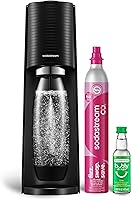
The Terra Starter Kit is the pick for anyone starting out: the machine, a 60L cylinder, a dishwasher-safe bottle and a bubly Lime Drop in one box. The twin bottles let a second bottle chill while the first is in use.
The 3-pack of refills keeps a fresh cylinder on hand so you never tap out mid-pour.
For the bigger picture, see how does a soda maker work to understand the gas and pressure behind each press. Once you've made a few bottles, how to use a soda maker becomes a routine you barely think about, and the fizz is yours to set.
Frequently asked questions
Can you carbonate juice or wine in a soda maker?
No. You carbonate plain water first and add juice, syrup or wine afterward, because sugar and pulp can gum up the valve and cause foaming.
Only add flavor once the water is fizzy and the pressure has vented.
Why did my water overflow when I pressed the button?
Overfilling or warm water is usually the cause. Fill only to the marked line and chill the water first, then press in short taps instead of holding the button down for a long burst.
Does a soda maker need electricity?
No. The SodaStream Terra is hand powered, so a button press releases CO2 from the cylinder with no plug or battery.
That means it works on a counter away from outlets and during a power cut.
How do I know when the CO2 cylinder is empty?
The fizz gets weak and the press feels flat even after several bursts. Swap in a full cylinder, then return the empty one through a SodaStream cylinder exchange at a participating retailer.