How Does a Soda Maker Work?
A soda maker works by injecting pressurized carbon dioxide into cold water so the gas dissolves and forms bubbles. You fill a reusable bottle, snap it onto the machine, and press the lever to release CO2 from a cylinder into the water.
On this page (8 sections)
- What parts make up a soda maker?
- How does the carbonation actually happen?
- How does a soda maker know when to stop carbonating?
- Why does the CO2 cylinder matter so much?
- Can you carbonate anything besides water?
- Why does homemade fizz sometimes go flat fast?
- How do you keep a soda maker running well?
- So, how does a soda maker work in one line?
A soda maker works by injecting pressurized carbon dioxide into cold water so the gas dissolves and forms bubbles. You fill a reusable bottle, snap it onto the machine, and press the lever to release CO2 from a cylinder into the water.
That's the whole trick. Everything else on the machine exists to hold the bottle steady, seal the gas in, and let you control how much fizz goes into each glass.
Here's how the process runs from cylinder to cup.
What parts make up a soda maker?
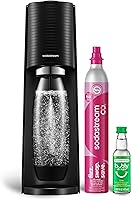
Every manual soda maker has three working parts: a CO2 cylinder, a pressure valve with a lever, and a sealed bottle connection. The housing just holds them in line.
The cylinder stores carbon dioxide at high pressure. A valve at the top releases it in controlled bursts when you press the lever.
The bottle screws or snaps onto a nozzle that carries gas down into the water.
The seal matters as much as the gas. If air escapes around the bottle neck, the pressure never builds enough to carbonate the water properly.
That's why makers like the SodaStream TERRA use a snap-and-seal bottle connection that clicks into place before you press anything.
A typical setup includes a 60L cylinder, a BPA-free reusable bottle, and a flavor drop to try afterward. The bottle is the only part that touches your drink, and it's dishwasher safe so you can run it after each round.
How does the carbonation actually happen?
Pressing the lever releases CO2 into the water, where pressure forces the gas into solution. The bubbles you pour are that dissolved gas coming back out.
Carbon dioxide dissolves more readily under pressure. When the lever opens the valve, gas rushes into the sealed bottle and pressure rises above the water's surface.
Some of the CO2 slips between water molecules and stays there as long as the bottle stays capped.
Cold water holds more gas than warm water, which is why chilled tap water carbonates faster and keeps its fizz longer. Many makers also carbonate in short bursts rather than one long press, so the gas has time to absorb between injections.
The whole cycle takes a few seconds. Once you release the lever and unscrew the bottle, the pressure drops and the dissolved gas starts escaping.
Cap it quickly and store it cold to slow that loss.
How does a soda maker know when to stop carbonating?
It doesn't sense anything; you decide when to stop by counting presses or watching the sound. The lever stays open only as long as you hold it.
Manual makers give you no gauge. One slow press yields a light fizz, and a few more build a stronger bubble.
The machine simply releases gas each time you press, and the carbonation level is the total of those bursts.
Some models add a pressure-release valve that hisses when the bottle reaches a set pressure. That hiss is a safety release, not a signal that your drink is ready.
Even with one, the final call on fizz level is yours.
This is the main difference between a manual carbonator and an electric one. An electric soda maker chills the water and carbonates to a set level on its own.
A manual maker leaves both the chill and the pressure to you.
Why does the CO2 cylinder matter so much?
The cylinder is the gas supply, and its size sets how many bottles you can fizz before a swap. A 60L Quick Connect cylinder makes up to 60 liters (16 gallons) of sparkling water.
When the cylinder runs low, you return, refill, and reuse it through SodaStream CO2 cylinder exchange at participating retailers. The Quick Connect fit clicks in with one push, so a swap takes seconds and you're back to fizzing fast.
Households that drink a lot of sparkling water will notice the difference in bundle size. The SodaStream Terra Value Bundle includes 2 Quick Connect 60L cylinders and 3 BPA-free bottles, so a busy kitchen can keep one bottle chilling while another is in use.
The single-cylinder starter kit covers lighter use.
If you'd rather not drive to a store, SodaStream's Subscribe & Save sends full cylinders with a return box and a free mail return label. The return shipment is on them.
For the fuller comparison of models and cylinder options, see our guide to how a SodaStream works.
Can you carbonate anything besides water?
No, carbonate plain water first, then add flavor afterward. Sugary, pulpy, or alcoholic liquids foam over and can clog the valve.
Fizzing juice or wine sends a sticky spray up through the nozzle and into the machine's internals. The sugar and acids also leave residue that's hard to clean out.
Every major maker says the same thing: gas the water, then mix.
Once the water is fizzy, you have options. Add flavor drops for zero-sugar sparkling water, stir in Pepsi or Mountain Dew syrup for a classic soda, or squeeze in fresh citrus.
One machine covers every kind of drink, which is why the countertop footprint earns its keep.
This is also where a soda maker differs from a soda fountain. A fountain mixes syrup and carbonated water at the nozzle in one pour.
A home maker carbonates the water first, and you stir in the flavor by hand.
Why does homemade fizz sometimes go flat fast?
Flat results usually come from warm water, too few presses, or a poor seal at the bottle neck. Fix those three and the fizz lasts much longer.
Start with the coldest water you can pour. Chill the bottle in the fridge before carbonating if your tap runs warm.
Then hold the lever a beat longer than you think you need; a light press is fine for sipping right away, but it won't survive an hour in the fridge.
Check that the bottle is snapped fully into place before you press. A bottle sitting loose lets gas escape around the neck instead of going into the water.
Wipe the nozzle dry if it's wet, since moisture can break the seal.
Store the capped bottle in the fridge and pour gently down the side of the glass. A hard pour knocks CO2 out of solution before it reaches your mouth.
Our walkthrough on how to make soda water at home covers the full routine step by step.
Where does the fizz level come from?
Your press count is the fizz dial. One slow press gives a light sparkle for people who want barely-there bubbles.
Three or four presses build the sharp bite most soda drinkers expect.
There's a limit. Past a certain point the water can't hold more gas, and extra presses just waste CO2.
If you hear a sputtering hiss or the water foams at the top, you've hit the ceiling for that bottle.
How do you keep a soda maker running well?
Rinse the bottle after every use, keep the nozzle dry, and swap the cylinder when the fizz fades. Small habits keep the seal tight and the gas flowing.
Wash the bottle by hand or in the dishwasher, then let it air dry before the next round. A wet bottle dilutes the first pour and can drip into the nozzle seat.
Store the machine away from direct heat. A cylinder sitting in a hot garage or sunny window runs at higher pressure, and the maker's manual gives storage limits for good reason.
Keep the lever released when the machine is idle so the valve isn't held open.
When bottles start coming out weak even with cold water and a full press count, the cylinder is the likely cause. Swap it before you blame the machine.
If a new cylinder doesn't fix it, check the bottle seal and the nozzle for residue.
Which SodaStream TERRA setup fits your kitchen?
The single SodaStream TERRA Sparkling Water Maker suits one or two daily fizzy-water drinkers. It includes the maker, one 60L cylinder, one dishwasher-safe bottle, and a bubly Lime Drop to try.
The SodaStream Terra Starter Kit is the same core kit in Black rather than White. Pick it if the color matches your counter better; the parts and process are the same.
The SodaStream Terra Value Bundle covers heavier use with 2 Quick Connect 60L cylinders and 3 BPA-free bottles. It's the better fit for a family that goes through several bottles a day.
So, how does a soda maker work in one line?
It seals water in a bottle, floods it with pressurized CO2, and lets the gas dissolve before you pour. Cold water, a tight seal, and enough presses are the only things you control, and they decide how good the fizz turns out.
Buy a manual maker if you want simple, unplugged carbonation and don't mind pressing the lever yourself. Choose a bundle with spare cylinders and bottles if your household drinks sparkling water daily.
And if you're still weighing the cost against store-bought seltzer, our breakdown of whether soda makers are worth it runs the math.
Wondering how the bubbles in your glass compare to the cans and bottles at the store? Read seltzer vs club soda to see what each one adds to plain carbonated water.
Frequently asked questions
Does a soda maker need electricity?
No. Manual soda makers like the SodaStream TERRA run on hand pressure from the lever, so they need no outlet or battery.
Only electric carbonators, which chill and carbonate on their own, require power.
Can you carbonate juice or wine in a soda maker?
No. Sugar, pulp, and alcohol can foam over or gum up the valve.
Fizz plain water first, then stir in juice, syrup, or flavor drops afterward so the machine stays clean.
Why does cold water carbonate better than warm water?
Cold water holds more dissolved CO2 than warm water, so the gas stays in solution instead of escaping. Chilling the bottle in the fridge first gives you a livelier, longer-lasting fizz with the same number of presses.
How many bottles does one CO2 cylinder make?
A 60L Quick Connect cylinder makes up to 60 liters (16 gallons) of sparkling water. Heavier fizz settings use more gas per bottle, so a household that likes strong bubbles will empty it faster.
Is the fizz from a soda maker the same as store-bought seltzer?
Yes. Both are plain water with dissolved CO2.
The difference is strength and freshness: you control the pressure at home, and club soda adds minerals while tonic adds sugar or quinine.