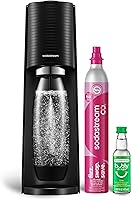
How Much SodaStream Syrup Do I Use?
Use about one capful of SodaStream syrup per liter of carbonated water, which works out to roughly a 1:9 syrup-to-water ratio. Start there, taste it, and add a little more if you want a stronger pour.
On this page (9 sections)
- How much SodaStream syrup goes in one liter?
- What is the right syrup-to-water ratio?
- Does the cap size change how much syrup you use?
- Should you add syrup before or after carbonating?
- How do you adjust the amount for taste and sugar?
- How much syrup do you use with Torani or other brands?
- Can you use flavor drops instead of syrup?
- How much syrup should you use for a pitcher or party?
- So how much SodaStream syrup should you actually use?
Use about one capful of SodaStream syrup per liter of carbonated water, which works out to roughly a 1:9 syrup-to-water ratio. Start there, taste it, and add a little more if you want a stronger pour.
That capful measure is the simplest answer to "how much SodaStream syrup do I use," and it holds for the brand's Fountain Style mixes. The rest is fine-tuning: glass size, how fizzy you like it, and whether you're cutting sugar.
How much SodaStream syrup goes in one liter?
One capful per liter is the standard starting point for SodaStream Fountain Style syrups. The cap on a 14.8 fl oz bottle is sized to deliver a single serving when you fill a one-liter bottle.
SodaStream says each bottle makes 29 servings, or 7 liters of soda. That works out to about one serving per liter, which lines up with the practical pour: one capful, then taste.
The cap holds about 1 tablespoon, which gives you close to a 1:9 ratio against a liter of water.
If your glass is smaller, scale down. A 16 oz glass takes about one capful.
A 20 oz tumbler takes about one and a third. Pour slowly and stir gently so you don't knock out the carbonation.
One more check helps: the bottle itself tells you how far it goes. A 14.8 fl oz bottle covering 7 liters means you're using about 2 fl oz of syrup per liter on average, which is right in line with the label's serving count.
If you find yourself running out well before 7 liters, you're probably pouring heavy. If the bottle lasts longer than expected, you've been pouring light.
The serving math is your built-in calibration tool.
What is the right syrup-to-water ratio?
A 1:9 ratio is the safe default: one part syrup to nine parts carbonated water. That means about 3.5 fl oz of syrup in a full liter, or one capful as a rough measure.
Ratios are easier to remember than cap counts, especially when you switch brands. Torani, for example, pours thinner than SodaStream syrup in some flavors, so a 1:9 ratio gives you a starting point you can adjust.
| Drink size | Syrup (1:9) | Capfuls (approx.) |
|---|---|---|
| 16 oz glass | 1.6 fl oz | 1 cap |
| 20 oz tumbler | 2 fl oz | 1 1/3 caps |
| 1 liter bottle | 3.5 fl oz | 1 cap |
| 2 liter bottle | 7 fl oz | 2 caps |
Start at the lower end for a lighter drink and work up. A ratio is a guide, not a rule, because flavor strength varies by syrup type and by how much ice you use.
The ratio also works in reverse. If a recipe calls for a certain amount of syrup and you only have a half-liter bottle, halve the syrup and keep the water proportional.
Mixing by ratio means you never have to remember cap sizes for bottles you don't own.
Does the cap size change how much syrup you use?
Yes. Cap sizes differ by bottle, so treat "one capful" as a rough measure.
SodaStream caps on the Fountain Style line are sized for a liter, but smaller sample bottles and other brands use smaller caps.
If you're unsure, measure with a tablespoon instead. About 1 tablespoon is close to one capful and makes the pour repeatable.
A kitchen measuring spoon beats guessing when you want the same drink twice.
The cap is convenient, not precise. Once you find the amount you like, note it down so you don't have to rediscover it each time.
A small kitchen scale is the most exact option if you want to be consistent. Weigh the syrup once in grams, then match that weight on later pours.
It sounds fussy, but it takes seconds and removes the guesswork from the cap entirely.
Should you add syrup before or after carbonating?
Add syrup after you carbonate the water. Carbonating flavored water can foam over and clog the machine, and the fizz holds better when you flavor afterward.
The order is simple. Fill the bottle with cold water to the line, carbonate it, then pour in the syrup.
Tilt the bottle and turn it gently to mix rather than shaking it hard.
Cold water matters here. It carbonates more readily than warm water, so starting cold gives you a fizzier base and a drink that holds its bubbles longer once the syrup goes in.
If you're new to the machine, our guide on how to use a SodaStream walks through the full process. For the science behind the bubbles, see how does a SodaStream work.
How do you adjust the amount for taste and sugar?
Start with less syrup than you think you need and taste as you go. A lighter pour keeps the drink refreshing and trims sugar without losing the flavor.
SodaStream says its Cola syrup has less sugar and sweeteners than other leading store-bought drinks. Using half a capful per liter instead of a full one cuts it further.
The flavor stays, but the sweetness drops.
For a stronger pour, add syrup in small splashes, about a teaspoon at a time. Stir gently after each addition so you don't flatten the carbonation.
Stop when the flavor sits where you want it.
How to find your personal pour
Pour a full capful into a liter, taste it, then note whether it was too strong or too light. Next time, adjust by a quarter cap in the direction you need.
After two or three batches you'll have a number that fits your taste, and you can stop measuring by feel.
This bottle is the easiest place to start if you want a cola-style drink. It's 14.8 fl oz and makes about 29 servings, which works out to about one capful per liter.
The no-high-fructose-corn-syrup and no-aspartame formula is the reason many people switch to home carbonation in the first place, so it's a sensible first bottle to test your pour against.
How much syrup do you use with Torani or other brands?
Torani syrups use a similar starting point, but the pump makes measuring easier. One pump of Torani delivers a consistent amount, so you can build a drink without guessing.
Torani's pump dispenses about a quarter ounce per push. For a 16 oz glass, about six pumps gets you near a 1:9 ratio.
For a liter, about fourteen pumps. Adjust from there based on the flavor's strength.
If you like Italian sodas, our roundup of the best Italian soda syrup covers the flavor profiles worth trying. Torani's fruit syrups are a natural fit for that style.
The variety pack lets you test several flavors without committing to one bottle. Each bottle is 25.4 fl oz, so a little goes a long way at one pump per glass.
Because the pack covers four different flavors, you can compare how each one takes to the same pump count and learn which ones need less.
Can you use flavor drops instead of syrup?
Yes. Flavor drops are a lighter alternative, and the dose is usually a few drops per glass rather than a capful.
They add flavor without the sugar and calories of a full syrup.
Drops are measured in drops, not tablespoons. Start with the amount on the label, usually a few drops per 8 oz, and taste.
They're easy to overdo, so add a drop at a time.
Our guide to the bubly drops covers the options if you want a sugar-free route. For a sweet, fruit-forward pour, a Torani syrup is the closer match.
The 25.4 fl oz bottle comes with a pump, which makes repeat pours consistent. It's made with pure cane sugar and natural flavors, and the bright color suits snow cones and shakes too.
That pump is the key detail for measuring: it takes the capful question out of the equation and gives you a fixed dose every time.
How much syrup should you use for a pitcher or party?
Scale the ratio, not the capful. For a 2 liter pitcher, use about 7 fl oz of syrup, or two capfuls.
For a party, mix in a large pitcher and stir gently before pouring over ice.
Don't dump syrup into a bottle and shake it hard. The carbonation escapes fast.
Stir slowly with a long spoon, or tilt and turn the bottle as you would for a single glass.
If you're serving a crowd, keep the syrup separate and let guests add their own. That way the base soda stays fizzy and everyone gets the strength they like.
For the syrup brands to stock for a party, the best Italian soda syrup roundup is a good starting list. A mix of fruit flavors covers most tastes.
Plan on roughly one bottle per flavor for a small gathering, since each 25.4 fl oz bottle covers a lot of glasses at one pump each.
So how much SodaStream syrup should you actually use?
One capful per liter is the answer for most drinks, and you can adjust up or down from there. Start light, taste, and add in small splashes until the flavor lands where you want it.
The capful measure works because SodaStream sizes its caps to a single liter serving. For other brands, use the 1:9 ratio or a pump to keep the pour consistent.
Either way, flavor after carbonating and stir gently to keep the fizz.
If you're still learning the machine, the how to use a SodaStream guide covers the basics. Once the pour is dialed in, a variety pack is the easiest way to find your favorite flavor without buying full bottles blind.
Frequently asked questions
How many servings does one bottle of SodaStream syrup make?
SodaStream says each bottle of its Fountain Style syrup makes 29 servings, or 7 liters of soda. That works out to about one serving per liter, so a 14.8 fl oz bottle goes a long way.
Can I use less syrup to cut sugar?
Yes. Use half a capful per liter for a lighter drink and taste as you go.
SodaStream says its Cola syrup has less sugar and sweeteners than other leading store-bought drinks, so a lighter pour trims it further.
Can I mix SodaStream syrup with Torani syrup?
Yes. Both are flavor concentrates for carbonated water, so you can swap one for the other or blend them.
Start with a smaller amount of Torani, since its flavors can be more concentrated.